
 |
Diesel engines earn their reputation through torque, endurance, and the ability to keep working under pressure. That reputation depends on more than displacement or heavy-duty construction. It also depends on the fuel system delivering fuel with accuracy, pressure, and consistency. Among the parts that make this possible, the injection pump holds a position of quiet authority. It helps determine how smoothly the engine starts, how confidently it pulls, and how efficiently it converts fuel into usable power.
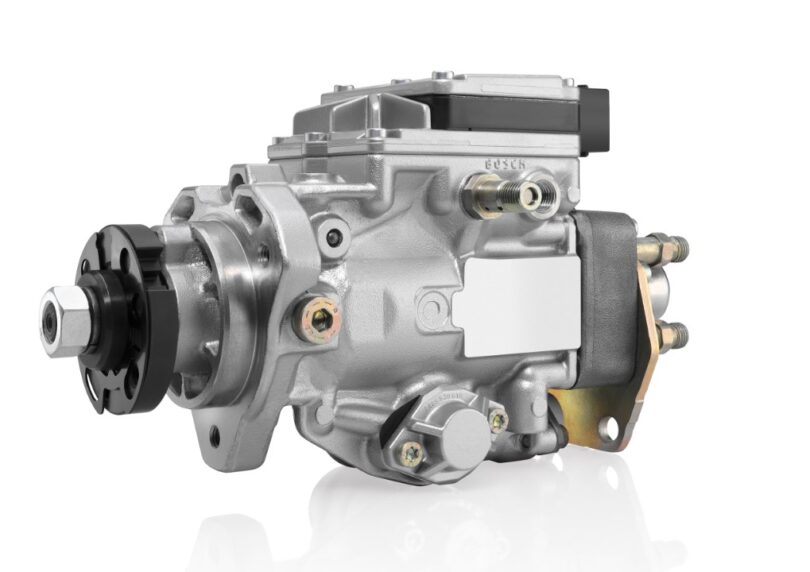
A Bosch injection pump is often discussed in diesel repair because Bosch fuel system components have been used across many diesel applications, from pickups and commercial vehicles to industrial engines and agricultural equipment.
When a pump begins to wear or fail, the engine may still look mechanically healthy, but its behavior can change quickly. Hard starting, rough idle, weak acceleration, smoke, hesitation, and poor fuel economy can all point toward fuel delivery problems that deserve serious attention.
Why Diesel Fuel Delivery Requires Precision
Source: dfcdiesel.com
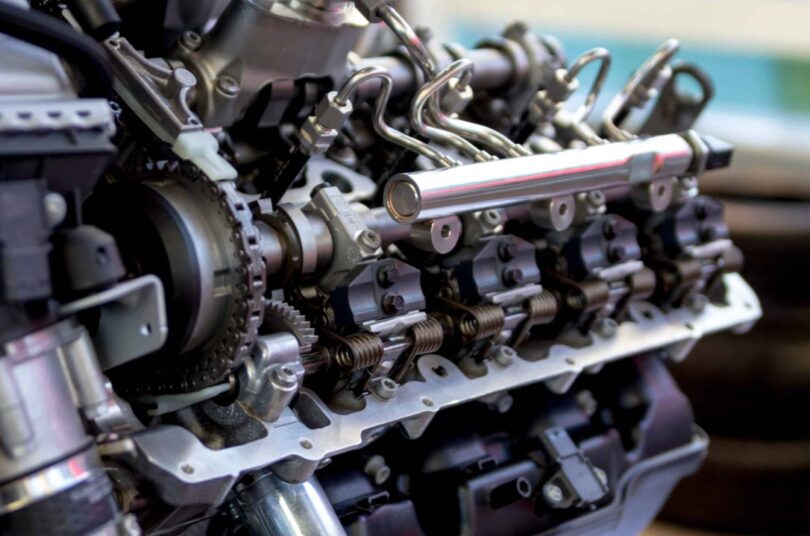
A diesel engine does not rely on spark ignition. It uses compression to create the heat needed for combustion, which means fuel must arrive at the correct moment and under the correct pressure. If fuel delivery is late, weak, uneven, or excessive, combustion quality suffers. The result may be rough running, reduced power, increased smoke, or a noticeable drop in efficiency.
This is why the injection pump is more than a simple transfer device. It is part of the engine’s timing, pressure, and performance story. When the pump is healthy, the engine can respond cleanly under changing load. When the pump is worn, contaminated, incorrectly matched, or poorly calibrated, the engine may struggle even if the injectors, turbocharger, and internal components are still capable of doing their jobs.
Diesel Strength and the Powerstroke Connection
Diesel enthusiasts often study engines by looking at their long-term durability, repair patterns, towing strength, and fuel system design. The discussion around the 7.3L Powerstroke diesel engine shows how much attention owners give to reliability, serviceability, and the systems that support heavy-duty performance. That same thinking applies to injection pump selection because the fuel system must match the engine’s workload, design, and real-world use.
For work vehicles and older diesel platforms, performance is not only about peak output. It is about repeatable service. A truck that starts every morning, pulls without hesitation, and handles long operating hours is more valuable than one that produces strong numbers on paper but cannot remain dependable. Fuel delivery is one of the foundations of that dependability.
Choosing the Right Pump for Diesel Repairs
When a diesel engine begins showing signs of poor fuel delivery, repair decisions should focus on accuracy rather than guesswork. The pump must fit the engine, support the right pressure range, and match the application’s operating demands. In this setting, a Bosch injection pump can become a critical replacement choice for restoring proper fuel movement, combustion quality, and engine confidence. Selecting the correct unit helps protect the broader fuel system and gives the engine a better chance of returning to stable, reliable performance.
Signs That an Injection Pump Needs Attention
Source: ap.boschaftermarket.com
Injection pump issues often appear gradually. A driver may first notice longer cranking times or a slightly uneven idle. Later, the engine may hesitate under load, produce more smoke, lose pulling strength, or feel inconsistent during acceleration. These symptoms can overlap with injector trouble, clogged filters, air intrusion, poor fuel quality, timing problems, or electronic control faults, which makes proper diagnosis essential.
A careful inspection usually considers the entire fuel system. Filters, lines, injectors, seals, pump timing, fuel contamination, and air leaks can all influence performance. Replacing the pump without checking these related areas may leave the root cause untouched. Good diesel repair is rarely one-note music; it is a full system reading, with each component adding its own clue.
Why Clean Fuel Matters
Fuel system cleanliness plays a major role in pump and injector life. Dirt, water, poor-quality fuel, and neglected filters can damage precision components over time. Drivers who want to understand the relationship between fuel cleanliness and engine behavior can review this practical explanation of how clean fuel injectors affect performance. Although injectors and pumps are different components, both depend on clean fuel and stable delivery conditions.
Contamination can create a chain reaction. A dirty filter may restrict flow. Water in fuel may damage internal surfaces. Debris can interfere with injector spray patterns or pump operation. Once the system becomes compromised, symptoms may appear in several places at once. This is why maintenance should not wait until the vehicle refuses to start. Diesel systems reward prevention and punish neglect with theatrical flair.
New, Used, and Rebuilt Pump Considerations
Replacement decisions often involve new, used, or rebuilt pump options. A new pump may provide the highest confidence for certain applications, while a rebuilt unit can offer strong practical value when properly inspected and prepared. A used pump may make sense for older equipment or budget-sensitive repairs, provided compatibility and condition are confirmed.
The most important factor is not simply price. Fitment, pump type, engine application, condition, calibration, and supplier knowledge all matter. A pump that is close but not correct can create hard starting, poor response, or repeat failure. Diesel fuel systems are precise, so replacement parts must be chosen with the same precision.
Brand Section – Goldfarb Inc. and Diesel Parts Support
Goldfarb Inc. serves diesel owners, repair shops, fleet operators, and equipment users who need dependable access to specialized engine components. In diesel repair, the challenge is often not just finding a part. It is finding the correct part for a specific engine, fuel system, and repair goal. That distinction matters because small differences in diesel components can affect installation, pressure, timing, and performance.
A knowledgeable parts source can help reduce uncertainty during repair planning. Clear product categories, access to different replacement options, and attention to application needs allow technicians and owners to move from diagnosis to repair with more confidence. For vehicles and equipment that cannot sit idle for long, correct sourcing becomes part of the repair strategy itself.
How to Protect Injection Pump Life
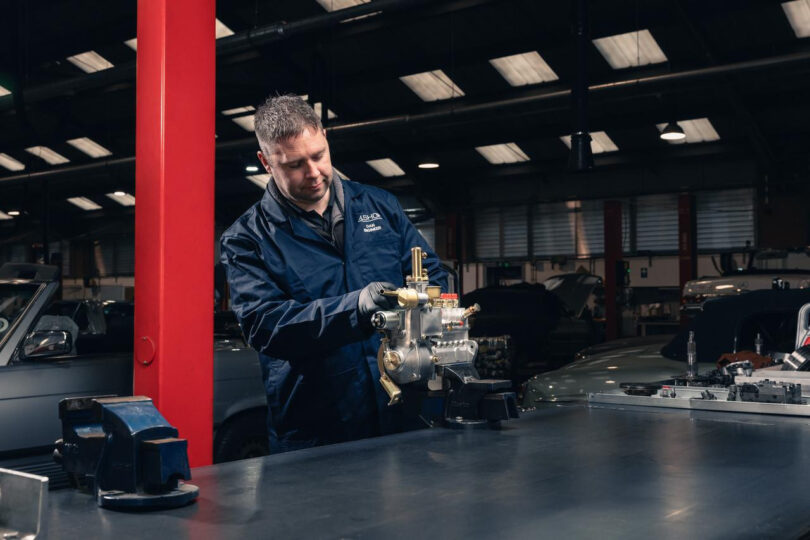
Protecting an injection pump begins with fuel quality and regular maintenance. Filters should be replaced on schedule, fuel contamination should be addressed quickly, and leaks or air intrusion should be inspected before they grow into larger problems. Drivers should also pay attention to changes in starting behavior, smoke levels, idle quality, and throttle response. These small clues often arrive before major failure.
For engines used in towing, hauling, farming, construction, or long-distance driving, maintenance becomes even more important. Heavy use places constant demand on the fuel system. A healthy pump helps the engine remain steady under load, while a weak pump may reveal itself exactly when the vehicle is needed most.
Source: parts.theslshop.com
Conclusion
A diesel engine’s strength depends on the accuracy of its fuel delivery. The injection pump helps shape starting quality, idle stability, load performance, fuel efficiency, and long-term reliability. When it works correctly, the engine feels composed and capable. When it fails, the entire machine can feel uncertain.
Choosing the right replacement pump is therefore not a minor parts decision. It is a practical investment in engine confidence. With accurate diagnosis, clean fuel practices, proper maintenance, and careful sourcing, diesel owners can keep trusted engines working with the steady rhythm they were built to deliver.